


Key Takeaways
Emergency maintenance involves problems that threaten occupant safety, property security, or the structural condition of a rental, such as gas leaks, flooding, electrical hazards, and heating failures.
Clear reporting procedures, reliable contractors, and established spending limits help owners coordinate urgent repairs and minimize property damage.
Preventive maintenance, adequate repair reserves, and accurate documentation can reduce unexpected expenses and protect long-term investment value.
Richmond's seasonal weather and older housing stock make regular inspections and property-specific maintenance planning especially important.
Owning rental property in Richmond, Virginia, means preparing for maintenance issues that can happen at any time. A burst pipe, failed heating system, or damaged roof can quickly become an expensive problem if the response is delayed.
The types of emergencies owners encounter can vary depending on the property's age and condition. Historic homes may have aging plumbing or electrical systems, while newer properties can experience unexpected mechanical failures.
Having an established emergency maintenance plan helps owners respond efficiently, protect their investments, and minimize disruptions for residents.
At Peak Property Management, we understand the importance of proactive maintenance and dependable emergency support. Here's what Richmond rental property owners should know about preparing for urgent repairs, managing expenses, and reducing potential risks.
What Qualifies as an Emergency Maintenance Issue?
A maintenance problem generally qualifies as an emergency when waiting until regular business hours could put someone in danger or cause significant property damage.
Common examples include:
Suspected gas leaks or carbon monoxide hazards.
Fires, sparking outlets, or exposed electrical wiring.
Burst pipes, flooding, or major water leaks.
Sewage backing up into living spaces.
Complete heating failure during freezing weather.
Cooling failures during extreme heat that create health concerns.
Broken exterior locks or doors that compromise property security.
Storm damage that exposes the interior to the elements.
Residents should leave the property and contact 911 or the appropriate Virginia utility provider when an immediate safety threat exists. Property management should be notified once everyone is safe.
Distinguishing Emergencies From Routine Repairs
Not every maintenance complaint requires an immediate response. A dripping faucet, slow drain, malfunctioning appliance, or minor cosmetic issue will generally fall under routine maintenance.
Providing residents with examples of both categories helps prevent unnecessary after-hours calls while ensuring serious problems receive appropriate attention.
Establish an Emergency Maintenance Response Plan
When something goes wrong, residents need to know exactly what to do. Owners should establish written procedures before an emergency occurs rather than trying to organize a response in the middle of one.
A good maintenance plan should address three important areas.
Provide Clear Reporting Instructions
Give residents a dedicated maintenance contact number and explain how to access emergency assistance outside regular business hours.
Move-in documentation should also identify situations that require emergency services, explain where important utility shutoffs are located, and outline what residents should do while waiting for professional assistance.
Encourage residents to take photographs of visible damage when it's safe. This information can help contractors understand the problem before arriving.
Build a Reliable Contractor Network
Finding an available professional during an emergency can be difficult. Establish relationships with qualified plumbers, electricians, HVAC technicians, roofers, and water restoration companies in advance.
Confirm applicable licensing and insurance, after-hours availability, and emergency service rates. It's also beneficial to have backup contractors in case your preferred provider cannot respond.
Set Emergency Spending Limits
Owners should establish how much a property manager or authorized representative can approve without obtaining additional permission.
For example, an active plumbing leak in Richmond may require immediate mitigation. Waiting several hours for approval could allow water damage to spread.
A written authorization policy should explain spending limits, which repairs can proceed immediately, and how owners will be notified about completed work and associated expenses.
Understanding Who Pays for Emergency Repairs
Responsibility for emergency maintenance expenses depends on the cause of the problem, the lease agreement, and applicable Virginia law.
Generally, owners are responsible for maintaining rental properties and their essential systems in accordance with applicable habitability requirements. Residents may be responsible for certain damages resulting from misuse or negligence, depending on the circumstances.
For example, an aging water heater that stops functioning would generally be an owner expense. However, damage caused by a resident's improper use of plumbing fixtures may be treated differently.

Insurance may also help cover certain unexpected property losses, depending on the policy and circumstances.
Before assigning repair costs to a resident, review the lease, retain supporting documentation, and consult a qualified attorney. Virginia law governs what charges or deductions may be permitted.
Budgeting for Unexpected Maintenance Expenses
Emergency repairs often cost more than scheduled maintenance because contractors may charge additional fees for after-hours service or urgent dispatch.
Owners can prepare financially by maintaining a dedicated repair reserve and reviewing their landlord insurance coverage regularly.
The appropriate reserve will depend on the property's age, condition, major systems, and maintenance history. Older homes may require additional funds because aging plumbing, roofing, and mechanical equipment can create more frequent repair needs.
Preventive maintenance is another important part of controlling expenses. Schedule regular HVAC servicing, inspect roofing and gutters, monitor plumbing conditions, and address deteriorating components before they fail.
Keeping a record of previous repairs also helps owners identify recurring problems and anticipate larger replacement expenses.
Seasonal Maintenance Risks for Richmond Rental Properties
Richmond's weather creates different maintenance challenges throughout the year. Owners should account for seasonal conditions when planning inspections and preventative work.
Summer Storms and Extreme Heat
High temperatures put additional pressure on cooling systems, while thunderstorms and heavy rainfall can damage roofs, gutters, and exterior structures.
Before summer, inspect roofing materials, clear drainage systems, check for overhanging branches, and schedule air conditioning maintenance.
Winter Freezes
Although Richmond winters are relatively mild, freezing temperatures can still cause exposed plumbing to rupture.
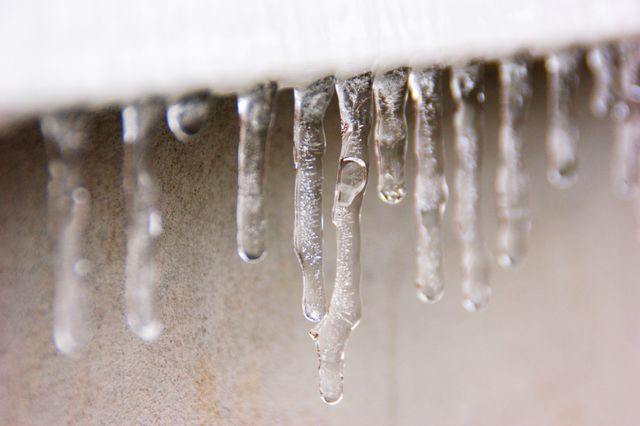
Insulate vulnerable pipes, protect outdoor faucets, and ensure heating systems are serviced before cold weather arrives. Residents should also receive guidance about maintaining adequate indoor temperatures when leaving the property unattended.
Older and Historic Properties
Richmond's older homes may have aging electrical components, outdated plumbing materials, and deteriorating roofing. These properties benefit from regular professional inspections that identify developing issues before they become emergencies.
Owners should pay particular attention to the condition of major systems and maintain detailed records of inspections, repairs, and replacements.
Document Every Emergency
Once an emergency has been resolved, maintain a record of the incident for future reference.
Useful documentation includes:
When the problem was reported.
The nature and location of the damage.
Contractors contacted and actions taken.
Inspection findings and repair recommendations.
Photographs, invoices, and insurance correspondence.
Final repair expenses.
Organized records can support insurance claims, help resolve disputes, and reveal recurring maintenance issues that may require additional attention.
Common Emergency Maintenance Mistakes
Rental property owners can avoid unnecessary complications by watching for these common mistakes:
Unclear reporting procedures: Residents don't know who to contact after hours.
Limited contractor availability: Relying on one service provider can delay urgent repairs.
Uncertain spending authority: Waiting for approval allows preventable damage to worsen.
Insufficient repair reserves: Unexpected expenses create financial pressure.
Neglected preventive maintenance: Minor problems develop into costly failures.
Incomplete documentation: Missing invoices and photographs complicate insurance claims and disputes.
Incorrectly assigning repair costs: Charging residents without reviewing the lease and applicable law can create legal issues.
Bottom Line
Emergency maintenance is an unavoidable aspect of rental property ownership, but preparation can make unexpected situations much easier to manage.
Clear procedures, dependable contractors, adequate financial reserves, and routine inspections help owners protect their properties while reducing unnecessary stress.
For additional support, we at Peak Property Management offer rental property management services throughout the Richmond region. We also provide residents with a 24/7 emergency maintenance line, accessible through our main phone number at 804-372-3272.
Frequently Asked Questions About Emergency Maintenance
How quickly should a landlord respond to an emergency maintenance request?
Response times depend on the severity of the problem and applicable legal requirements. Issues involving immediate safety risks, significant leaks, or serious property damage require urgent attention. Owners should establish procedures that allow emergencies to be assessed and addressed without unnecessary delays.
Should rental owners provide residents with emergency instructions?
Yes. Written instructions should explain how to report urgent problems, when to contact emergency services, and where important utility shutoffs are located. Providing this information during move-in helps residents respond appropriately when unexpected situations occur.
Does landlord insurance cover emergency repairs?
Some sudden and accidental property damage may be covered, depending on the insurance policy. However, gradual deterioration, routine maintenance, and certain equipment failures may be excluded. Owners should review their coverage and deductibles with their insurance provider.
Can residents be charged for emergency maintenance?
Potentially, if the resident caused the damage and the lease and applicable law permit recovery. Owners should establish responsibility using inspection findings and supporting documentation before attempting to charge a resident. Consulting a qualified attorney is recommended.
How does Peak Property Management handle maintenance emergencies?
Peak Property Management offers a 24/7 emergency maintenance line through our main number, 804-372-3272. Residents can use this number to report urgent maintenance concerns outside regular business hours.