



Key Takeaways
Pre-1940s homes in Petersburg attract long-term renters who value character and walkability, but require strategic renovation planning to balance historic preservation with modern tenant expectations.
Kitchen and bathroom updates, mechanical system replacements, and lead remediation deliver measurable ROI while maintaining the property's appeal and compliance with Virginia rental law.
Petersburg's historic district guidelines and Virginia Residential Tenancies and Landlord-Tenant Act requirements shape which renovations are allowed and how they must be disclosed to prospective residents.
Budgeting 8 to 12 percent of the property's value for initial rent-ready renovations on pre-1940s stock is realistic; expect longer timelines and higher labor costs than newer construction.
Petersburg's historic neighborhoods contain some of Central Virginia's most distinctive rental properties. Pre-1940s homes in districts like Cockade Alley and the Demolition Coffee area offer character, and neighborhood identity that newer suburban rentals cannot match.
But older homes also demand renovation strategy that newer stock does not. Owners renting out pre-1940s Petersburg properties face questions about which renovations return money, how to preserve historic character without sacrificing tenant appeal, and how to navigate local guidelines and Virginia rental law simultaneously.
Peak Property Management serves rental owners across the Tri-Cities, including Petersburg, and has managed historic properties in comparable markets like Richmond's Church Hill and the Fan.
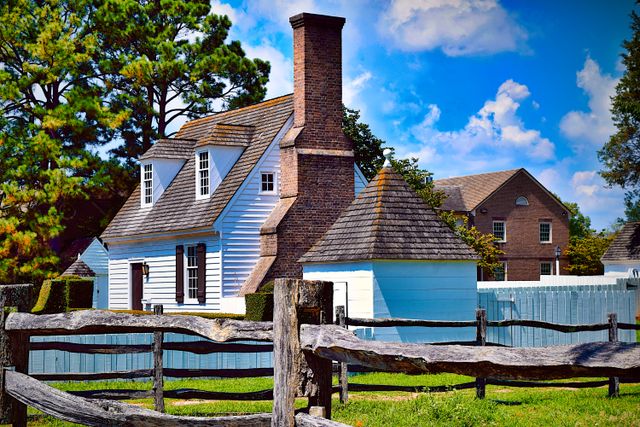
This guide walks you through the economics of renovating pre-1940s rentals in Petersburg, the renovations that tenants expect and landlords can recoup, the compliance landscape, and how professional management protects your investment once the property is leased.
Get in Touch with Our Experts!
Why Petersburg's Historic Homes Attract Long-Term Renters
Petersburg's older housing stock has drawn renewed attention from both owner-occupants and investors. The city's neighborhoods, proximity to Richmond, and lower entry prices compared to comparable historic districts in Richmond create opportunity for buy-and-hold rental investors.
Tenants renting pre-1940s homes in Petersburg typically prioritize location, character, and community over the generic finishes of newer construction. A well-maintained 1920s bungalow with original hardwood floors, crown molding, and a front porch commands tenant loyalty that a cookie-cutter townhome does not. Longer tenancy reduces turnover costs and vacancy risk, which directly improves your net return.
That appeal, however, comes with a condition: the property must be rent-ready in ways that satisfy modern tenant expectations.
Top Renovations That Boost ROI Without Losing Historic Character
Not all renovations on pre-1940s properties return equal dollars. Some work is necessary for compliance or safety. Some improve tenant appeal and retention. Some is cosmetic and recovers little on resale or at lease renewal.
Kitchen and Bathroom Updates
Kitchens and bathrooms are the two rooms tenants inspect most carefully. On a pre-1940s property, a kitchen with original cabinetry, a single-basin sink, and no dishwasher will deter applicants and justify lower rent.
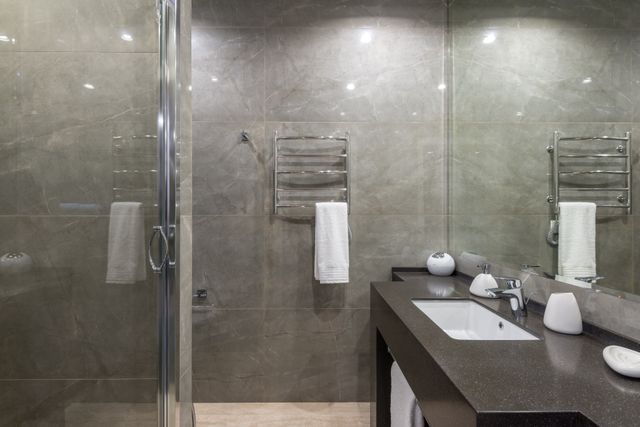
A bathroom with a clawfoot tub, original tile, and a single pedestal sink has charm, but only if the plumbing is functional and the fixtures are clean and safe.
A strategic kitchen renovation might include new appliances (range, refrigerator, dishwasher), updated countertops, and modern lighting while preserving original cabinetry or replacing it with period-appropriate stock that echoes the home's era.
A bathroom update might repair or replace the original tub, upgrade the toilet and sink to modern fixtures, and add proper ventilation. These renovations typically recover 50 to 70 percent of their cost in higher rent and faster leasing.
Mechanical System Replacement
Heating, cooling, electrical, and plumbing systems in pre-1940s homes are often original or outdated. Tenants expect reliable heat in winter, functional air conditioning in summer, and plumbing that does not back up or leak. These systems also carry safety and code compliance risks.
Replacing or upgrading the HVAC system, upgrading electrical service and outlets, and repairing or replacing plumbing are not optional in a rental. Budgeting $3,000 to $8,000 for HVAC replacement, $2,000 to $5,000 for electrical upgrades, and $2,000 to $6,000 for plumbing repairs is realistic on pre-1940s stock.
Flooring, Paint, and Cosmetic Finishes
Original hardwood floors are a selling point if they are in good condition. Refinishing existing hardwood is cheaper and more authentic than replacing it with laminate or vinyl. Paint is inexpensive and high-impact.
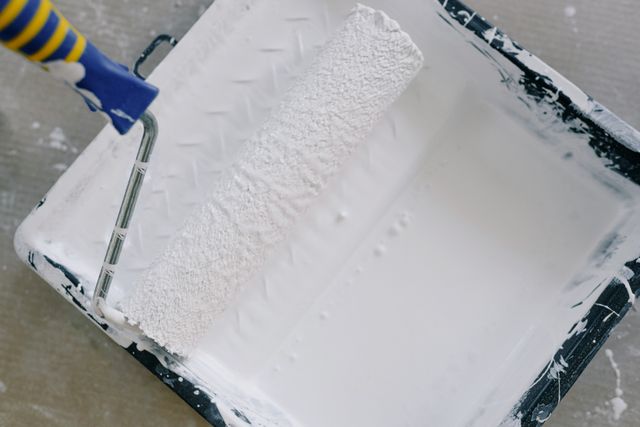
Avoid trendy finishes. Neutral paint, clean original hardwood or quality vinyl plank that mimics wood, updated lighting fixtures, and fresh hardware on doors and cabinets create a rent-ready appearance without erasing the property's character.
Lead Remediation and Hazard Disclosure
Any pre-1940s property in Virginia is likely to contain lead paint. Virginia law requires landlords to disclose the presence or suspected presence of lead-based paint to all prospective residents before they sign a lease. The disclosure must be made in writing, and the resident must acknowledge receipt.
The cost of professional lead abatement can range from $2,000 to $10,000 depending on the extent of the work. Budget for disclosure and inspection first; remediation only if testing or condition assessment indicates it is necessary.
Check Out Our Property Management Services!
Navigating Petersburg's Historic District Guidelines for Rental Properties
Petersburg has designated historic districts, including the Old Towne district and others, where exterior modifications are subject to design review. If your property is located within a historic district, you will need approval from the Petersburg Historic Preservation Commission before making certain exterior changes.
Before planning major exterior work, check whether the property is within a historic district and contact the Petersburg Planning and Zoning Department. Obtaining approval adds time to the renovation schedule, but it prevents costly do-overs and protects your investment by ensuring the work meets community standards.
Cost vs. Return: Budgeting Renovations on Pre-1940s Rentals
A realistic budget for rent-ready renovations on a pre-1940s Petersburg property is 8 to 12 percent of the property's purchase or appraised value. If you bought the property for $150,000, budget $12,000 to $18,000 in initial rent-ready work.

This budget typically covers kitchen and bathroom updates, mechanical system repairs or replacement, electrical and plumbing upgrades, flooring refinishing or replacement, fresh paint, and lead disclosure or remediation. It does not cover structural repairs, roof replacement, or foundation work, which should be identified during inspection and budgeted separately.
Bottom Line
Renovating a pre-1940s home in Petersburg for rental requires balancing historic character with modern tenant expectations, navigating local guidelines, and budgeting realistically for older systems and hidden costs.
The renovations that return the most are those that tenants expect: updated kitchens and bathrooms, reliable mechanical systems, and compliant lead disclosure. Fresh paint, preserved or refinished hardwood, and authentic finishes preserve the property's appeal without erasing its age.
Once the property is rent-ready and leased, professional management protects your investment. Careful tenant screening, thorough inspections, preventive maintenance, and transparent accounting ensure that your renovation dollars translate into stable, long-term cash flow.
Peak Property Management manages historic properties across the Tri-Cities, including Petersburg, and understands the specific demands of older stock. Get a free rental analysis for your Petersburg property by entering your address, or call us today to discuss your renovation plan and management strategy.
Frequently Asked Questions About Historic Home Rentals in Petersburg
What Lead Disclosures Do I Need to Make on a Pre-1940s Petersburg Rental?
Virginia law requires landlords to disclose the presence or suspected presence of lead-based paint to all prospective residents before they sign a lease. The disclosure must be in writing, and the resident must acknowledge receipt in writing.
You must also provide the EPA pamphlet "Protect Your Family from Lead in Your Home" and allow the resident a period of time (typically 10 days) to conduct a lead inspection if desired.
How Much Should I Budget for Renovations on a Pre-1940s Property in Petersburg?
A realistic budget for rent-ready renovations on a pre-1940s Petersburg property is 8 to 12 percent of the property's value. For a $150,000 property, that is $12,000 to $18,000. This typically covers kitchen and bathroom updates, mechanical system repairs or replacement, electrical and plumbing upgrades, flooring work, fresh paint, and lead disclosure or remediation.
Are Exterior Renovations Restricted in Petersburg's Historic Districts?
If your property is located within Petersburg's designated historic district, exterior modifications such as window and door replacement, siding, roofing, and new structures require approval from the Petersburg Historic Preservation Commission. Interior renovations are generally not restricted.
What Renovations Return the Most ROI on a Pre-1940s Rental?
Kitchen and bathroom updates, mechanical system replacements, and electrical and plumbing upgrades deliver the strongest ROI on pre-1940s rentals because tenants expect them and they support higher rent and faster leasing. Kitchen renovations typically recover 50 to 70 percent of their cost in higher rent; bathroom updates do similarly.
How Does Professional Property Management Protect My Historic Rental Investment?
Professional management protects your investment through careful tenant screening, thorough move-in inspections, preventive maintenance on older systems, and transparent financial reporting.